

Why Choose Our Printer Repair Services
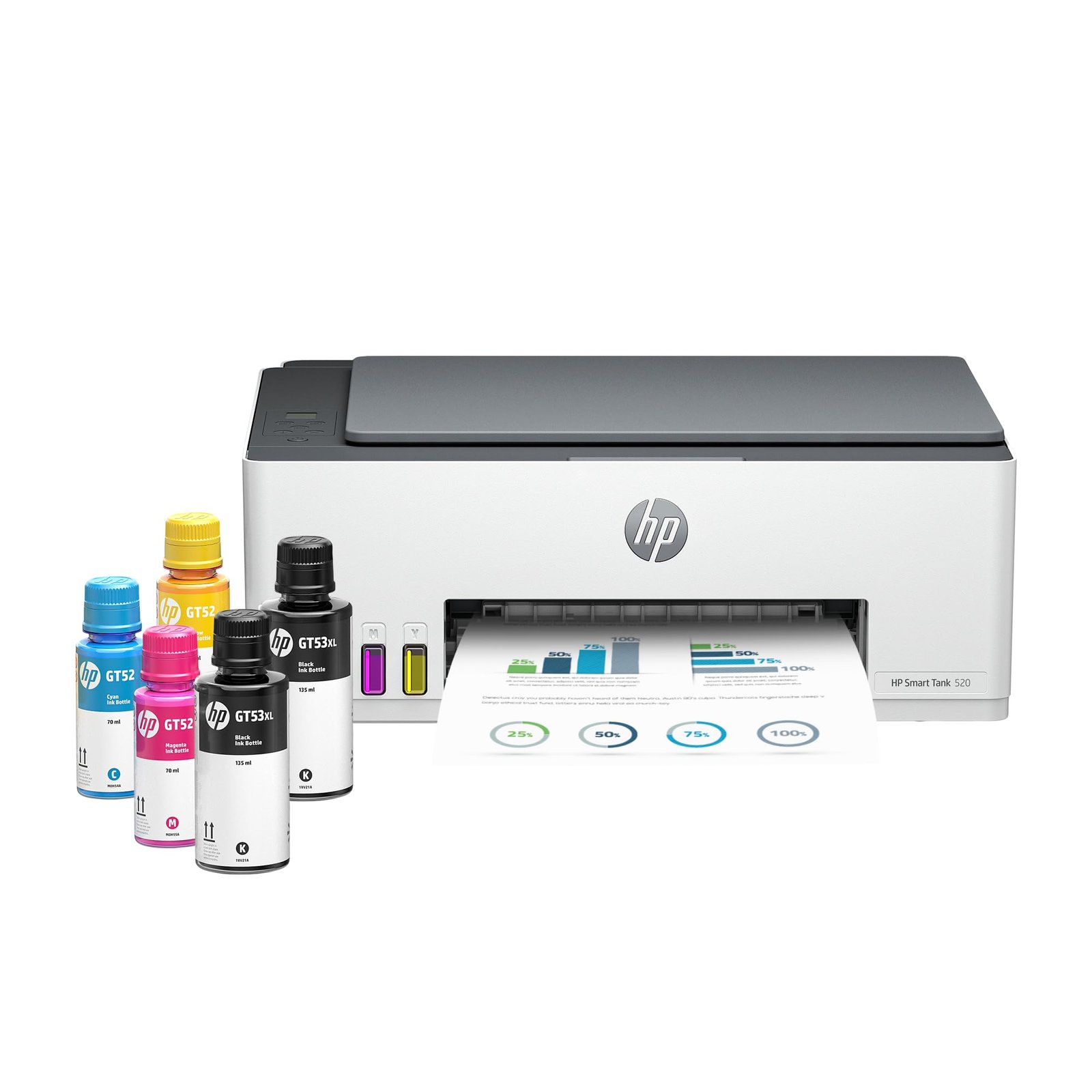
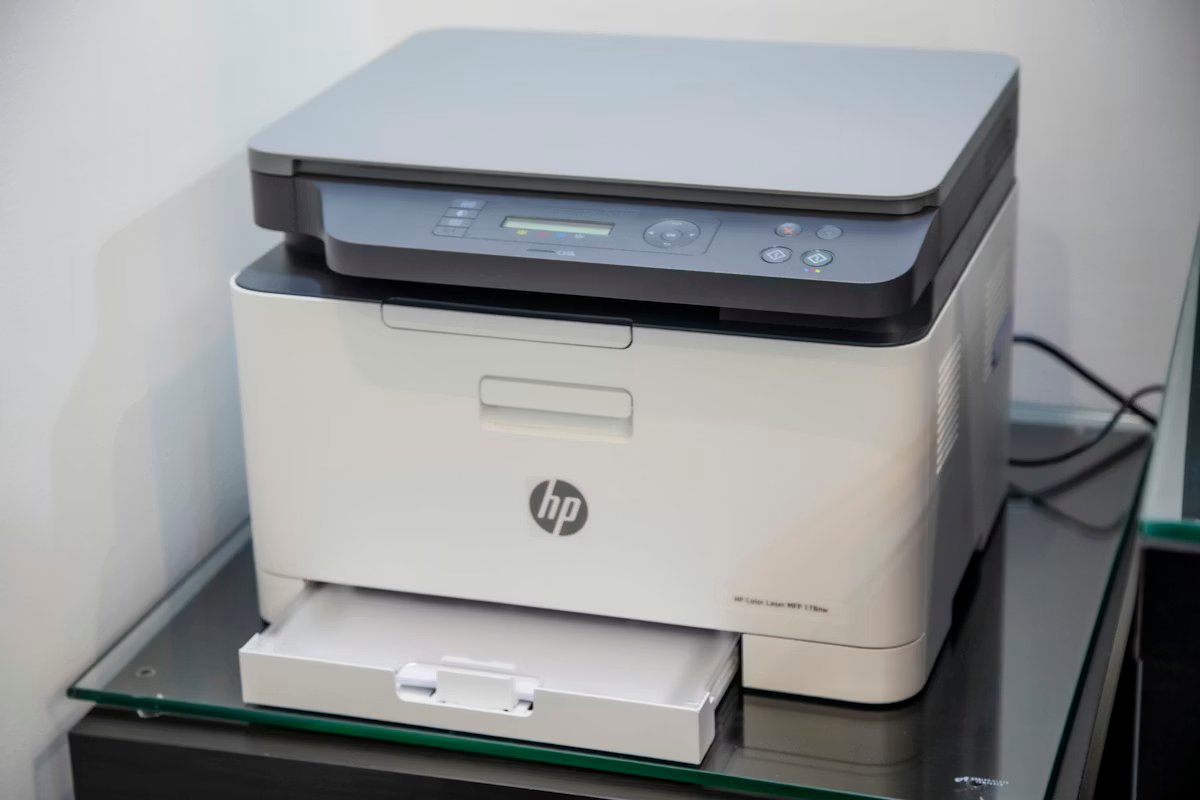
Support specialists experienced with HP DeskJet, LaserJet, Ink Tank, and All‑in‑One printers.
We follow diagnostics including driver checks, firmware awareness, and network validation.
Quick response times with clear guidance to minimize downtime.
Clear communication, no unnecessary steps, and user‑friendly explanations.
Services: Office Printer Repair | Printer Setup | Ink Tank Issues
What Is a Printer and How Is It Used? (Simple Explanation)
A printer is a hardware output device that converts digital information into physical, printed documents. In homes, offices, schools, hospitals, and businesses, printers play a critical role in producing reports, invoices, forms, photographs, labels, and official records. Printers are among the most widely used worldwide because they support both personal and professional printing needs.
Modern printers are designed to work seamlessly with computers, laptops, smartphones, and tablets. They receive digital commands from these devices and translate them into printed output using inkjet or laser technology. Inkjet printers spray microscopic ink droplets onto paper, while laser printers use toner powder and heat to fuse text and images onto the page.
Printers are used for a variety of purposes, including document printing, photo printing, scanning, copying, and faxing. Many All‑in‑One printers combine all these features into a single device, making them ideal for small offices and home users. Wireless connectivity allows users to print from anywhere on the same network without needing physical cables.
- Purpose: Produces physical copies for documentation, sharing, and record‑keeping.
- Types: Inkjet printers for home use, laser printers for offices, and multifunction printers for scanning and copying.
- Connectivity: USB, Wi‑Fi, Ethernet, cloud printing, and mobile printing.
- Usage areas: Homes, offices, schools, healthcare, logistics, and retail environments.
Understanding how a printer works and how it connects to your devices is essential for troubleshooting common problems. Issues often arise when network settings change, drivers become outdated, or consumables such as ink and paper are not installed correctly.
Common Printer Problems Users Face (And Why They Happen)
Printer problems are common and can occur due to software conflicts, connectivity interruptions, hardware wear, or incorrect configuration. Printer users frequently experience issues that prevent printing, scanning, or connecting to the network.
Many of these problems appear suddenly, especially after system updates, router changes, or long periods of inactivity. Understanding the root cause of each issue helps users resolve problems faster and avoid unnecessary downtime.
- Printer not printing: Often caused by outdated drivers, paused print queues, incorrect default printer settings, or low ink levels.
- Printer offline error: Occurs when the printer loses communication with the computer due to Wi‑Fi changes, IP conflicts, or power‑saving modes.
- Ink or cartridge errors: Triggered by incompatible cartridges, improper installation, or clogged printheads.
- Scanner not working: Usually related to missing scan drivers or blocked permissions.
- Paper jams: Caused by misaligned paper, debris inside the printer, or worn rollers.
Ignoring these issues can lead to repeated failures and wasted time. Addressing them early ensures reliable printing and extends the life of your printer.
| Printer Problem | Possible Cause | Quick Fix |
|---|---|---|
| Printer not printing | Driver or queue issue | Restart and update drivers |
| Printer offline | Wi‑Fi or port mismatch | Reconnect printer to network |
| Poor print quality | Low ink or clogged printheads | Clean and realign cartridges |
Basic Printer Troubleshooting Steps (Step‑by‑Step Fix Guide)
Before contacting technical support, users can resolve many HP printer issues by following basic troubleshooting steps. These steps are designed to identify simple configuration problems and restore printer functionality quickly.
Performing troubleshooting in a structured order helps avoid unnecessary reinstallations and ensures that the most common causes are addressed first.
- Restart all devices: Power off the printer, computer, and router. Restarting clears temporary errors and restores connections.
- Check physical connections: Ensure USB cables are securely connected or that the printer is connected to the correct Wi‑Fi network.
- Set printer as default: Confirm the HP printer is selected as the default printer in system settings.
- Clear the print queue: Remove stuck or pending print jobs that may block new requests.
- Update printer drivers: Install the latest HP printer drivers compatible with your operating system.
- Check ink and paper: Verify cartridges are properly installed and the paper tray is loaded correctly.
- Reconnect printer: Remove and re‑add the printer using the HP Smart App if connection issues persist.
If problems continue after completing these steps, professional assistance may be required to diagnose deeper driver conflicts, firmware issues, or network configuration problems.
123 HP Printer Setup – Complete Beginner Guide
The term 123 HP Printer Setup is commonly used to describe the initial setup process for new HP printers. This includes unboxing the printer, installing ink or toner, loading paper, connecting the printer to a device, and completing software installation. Whether you are setting up an HP DeskJet, LaserJet, Ink Tank, or OfficeJet printer, following the correct sequence ensures a smooth and error‑free experience.
Many users search for “123.hp.com setup” when installing a new printer. While the steps may appear simple, setup issues can occur if the printer is not properly prepared or if the network environment is not configured correctly. Understanding each phase of the 123 HP printer setup process helps prevent common mistakes.
Step 1: Unbox and Prepare the Printer
Carefully remove the printer from its packaging. Remove all protective tapes, cardboard inserts, and plastic covers from inside and outside the printer. Connect the power cable and turn on the printer. Follow on‑screen instructions to select language, country, and region if prompted.
Step 2: Install Ink or Toner Cartridges
Open the cartridge access door and insert the provided HP ink or toner cartridges into their correct slots. Ensure cartridges click firmly into place. Close the access door and allow the printer to initialize. Some printers may perform an automatic alignment process at this stage.
Step 3: Load Paper Correctly
Adjust the paper guides in the input tray and load plain white paper. Improper paper loading can cause setup failures or alignment issues later. Make sure the paper size settings match the loaded paper.
Step 4: Connect the Printer to Wi‑Fi or USB
During 123 HP printer setup, you will be prompted to choose a connection method. Wireless setup is the most common option. Ensure your Wi‑Fi network is stable and that you know the correct network password. USB setup can also be used for initial configuration if Wi‑Fi is unavailable.
Step 5: Install Printer Software
Install the recommended HP printer software on your computer or mobile device. This software allows the system to communicate with the printer and enables full functionality such as scanning, ink monitoring, and wireless printing.
Completing these steps correctly ensures that your HP printer is ready for everyday use. If errors occur during any stage, restarting the setup process or using guided assistance may be necessary.
HP Easy Start – Download, Installation, and Usage Guide
HP Easy Start is an automated software installation tool designed to simplify HP printer setup on Windows and macOS systems. It detects your operating system, identifies the connected HP printer, and installs the appropriate drivers and utilities automatically. HP Easy Start is especially useful for users who are not comfortable with manual driver installation.
HP Easy Start guides users step‑by‑step through printer setup, ensuring correct driver installation, network configuration, and software compatibility. It reduces the risk of incorrect driver selection and helps avoid setup errors that commonly occur with manual downloads.
How to Use HP Easy Start
- Download HP Easy Start: Obtain the HP Easy Start installer compatible with your operating system.
- Run the installer: Open the downloaded file and follow on‑screen instructions.
- Choose connection type: Select Wi‑Fi or USB based on your printer and network setup.
- Complete installation: Allow the tool to install drivers, software, and updates.
During installation, HP Easy Start may temporarily connect the printer using USB to configure wireless settings. This is a normal part of the process and helps ensure accurate network configuration.
Common HP Easy Start Issues
Despite its simplicity, users may encounter issues such as HP Easy Start not detecting the printer, installation freezing, or network connection failures. These issues are often related to firewall restrictions, outdated operating systems, or unstable Wi‑Fi connections.
Troubleshooting HP Easy Start Problems
- Disable firewall temporarily: Some security software may block printer detection.
- Ensure same network: The printer and computer must be on the same Wi‑Fi network.
- Restart devices: Restart the printer, computer, and router before retrying setup.
- Use USB setup: Temporarily connect the printer via USB if wireless setup fails.
HP Easy Start is a reliable tool for most users, but persistent setup failures may require advanced troubleshooting or professional assistance. Expert guidance ensures that drivers, firmware, and network settings are correctly aligned for long‑term printer performance.